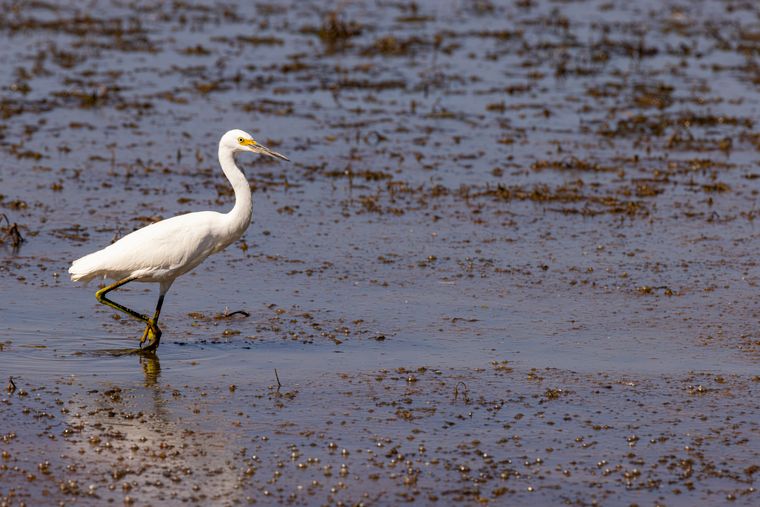
Caerlaverock merse
The merse floods on a spring tide and the geese lift in one piece. Park at the reserve and walk east along the sea wall — the birds are closer from the wall than from any hide.
Six site accounts from the region. Each one says when to go, what the tide has to be doing, and what you can reasonably expect — not what somebody once saw.
The merse floods on a spring tide and the geese lift in one piece. Park at the reserve and walk east along the sea wall — the birds are closer from the wall than from any hide.
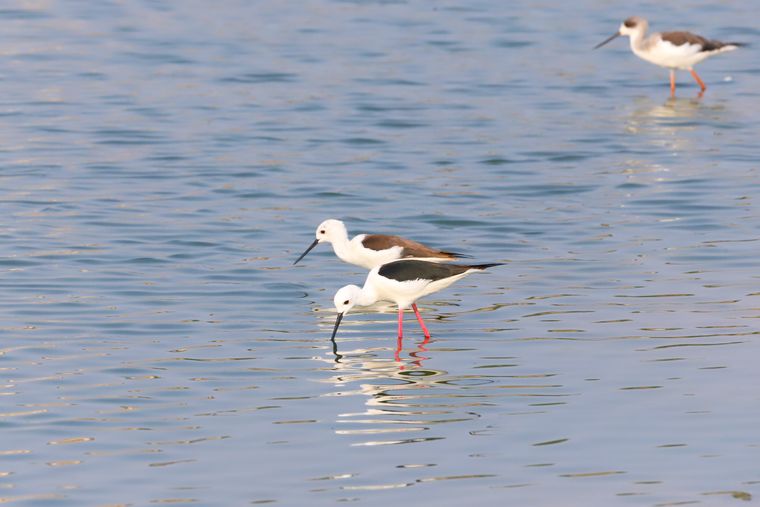
A long walk out and a longer walk back. The wader roost forms on the rising tide and the harriers quarter the rough ground behind the dunes an hour before dusk.
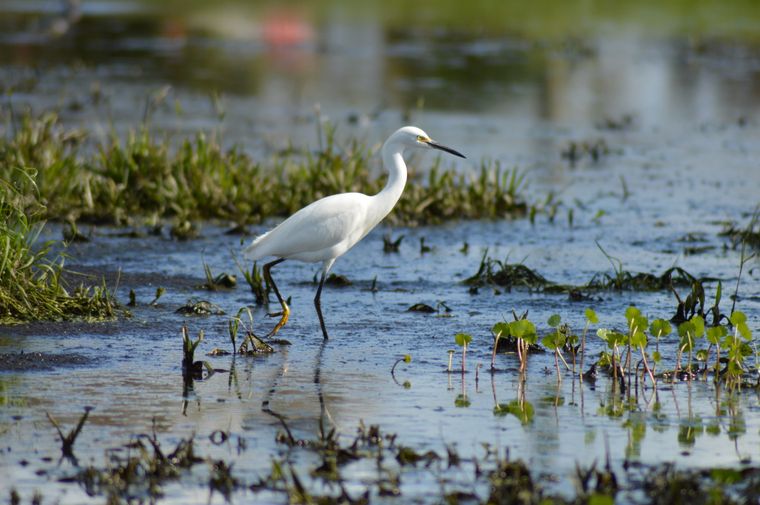
Road-side viewing for much of the loch. Willow tit persists here in numbers that have gone from most of Scotland, which is reason enough for a visit in any month.
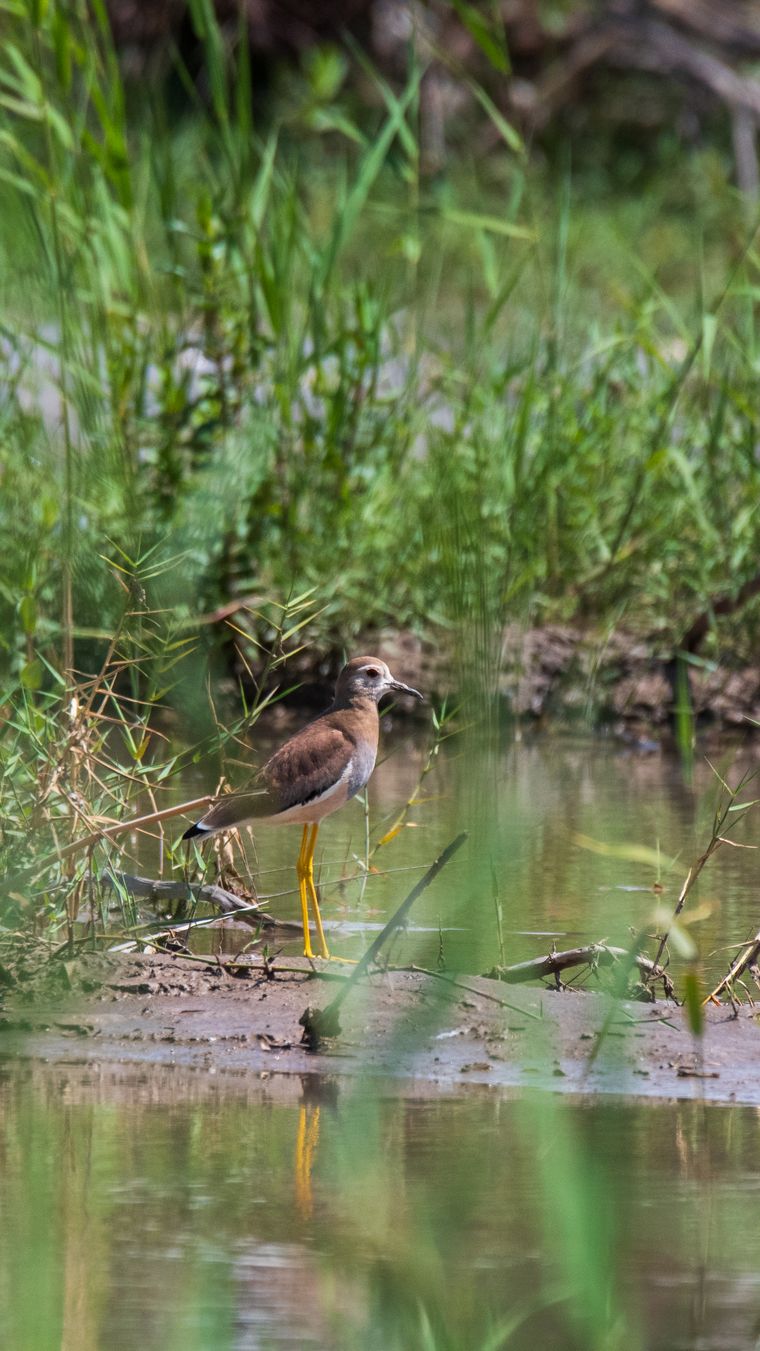
Britain's largest local nature reserve, and quiet even in the season. The hide at the north end looks over the roost; the martyrs' stake path gives closer views of feeding waders.
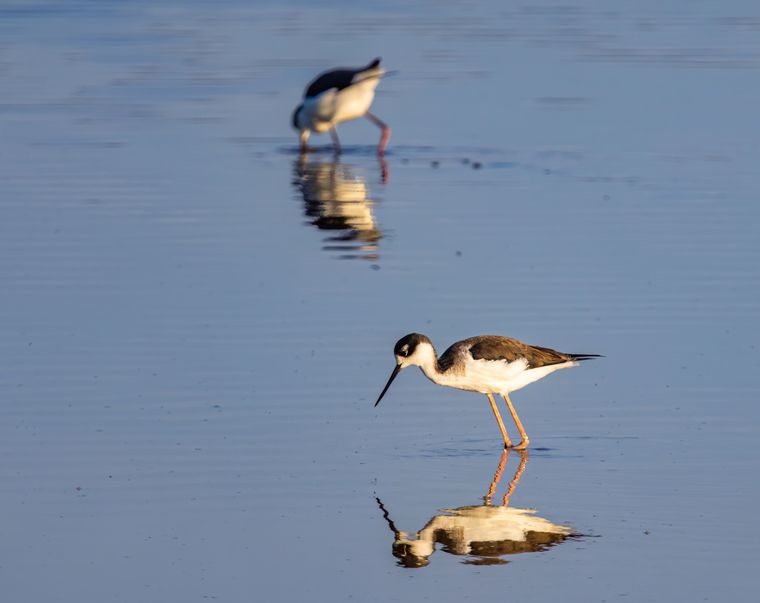
Cliff-nesting guillemot and razorbill from the reserve path, with gannet moving offshore all summer. In autumn the headland collects tired migrants in the gorse.
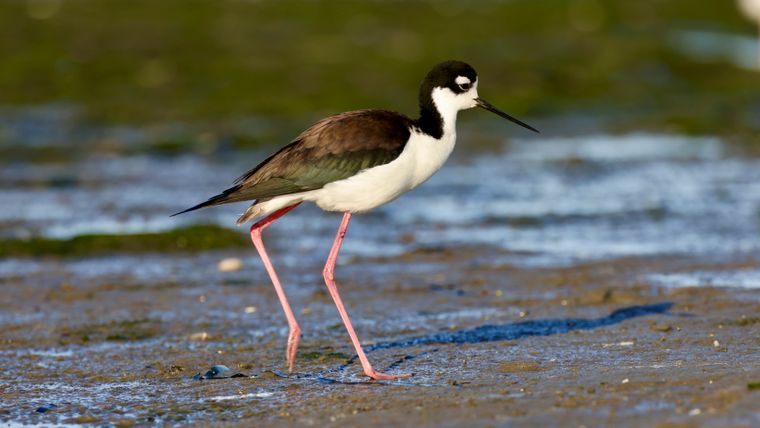
Two hides, wet woodland and a long view over flooded pasture. Best in hard weather, when the wildfowl concentrate and the marsh tit comes to the feeders.
The Solway floods quicker than people expect and the channels fill behind you. Know your route back before you walk out, and do not rely on a phone signal.
Several watchpoints are reached over working land. Stick to the marked route, shut gates, and accept a refusal without argument.
Watch from the wall or the road. A flock put up once is a nuisance; a flock put up repeatedly through a hard winter is a real cost to the birds.